

“Change your thoughts and you change your world.” — Norman Vincent Peale
While it’s true that the housing market seems to have had more than its fair share of challenges in the last six years, there are bright spots if you look. Ever since the pandemic things have been, well, unprecedented. As usual, timing is everything. Since the Great Recession of 2008 an epidemic housing shortage was quietly building momentum behind the scenes. This has resulted in an estimated aggregate housing shortage of 3.7 to 5.5 million homes, driving demand and raising prices. Add in higher interest rates, inflation on everyday goods, AI-triggered job uncertainty and global unrest for a perfect storm of housing affordability headwinds. With that in mind it’s easy to fall down the rabbit hole of pessimism and negativity. Which is why it’s more important than ever to go towards the light of positive thinking. Here’s how to make the most of bright spots in the housing market and ready your business for a more promising future:
THE NEGATIVITY BIAS

Half empty….or half full?
For most of us, it takes work to think positively. Why? Blame it on evolution and something called the “negativity bias.” This is an innate evolutionary trait that causes the brain to react more strongly and dwell longer on bad experiences than good ones. Physiologically this creates deeper neuropathways in the brain and further reinforces this tendency. On the flip side this trait helped keep us alive for longer so we had more time to pass on those traits.
And it still serves a purpose today. Nobody likes to worry, but worrying about something usually leads to anticipating steps to come up with solutions. A healthy amount of worry has its place and so does a healthy amount of negativity. Ironically we tend to be more motivated by the possibility of loss than by gain.
This can play a role in your motivation to pursue a goal. Rather than focusing on what you will gain if you keep working toward something, you’re more likely to dwell on what you might have to give up in order to achieve that goal. Giving up your favorite treats to lose weight is a common example of this thought tendency. Our brains are wired to notice how bad things are. At the end of the day, your brain is not designed to make you happy. It’s designed to keep you alive.
THE POWER OF POSITIVE THINKING
As they say, energy flows where attention goes. In a nutshell, whatever you give your mind to—whether positive (goals, solutions, gratitude) or negative (fears, complaints, past mistakes)—gets stronger and dictates your emotional state. The practice of positive thinking means that you:
- Focus on Solutions: Instead of obsessing over a problem or a fear, pivot your thoughts toward actionable fixes.
- Practice Gratitude: Deliberately direct your spotlight toward positive outcomes, health, and priorities to build emotional momentum.
- Limit Distractions: Cut off time-sucks and media that drain your mental energy toward things you cannot control
A healthy amount of worry has its place and so does a healthy amount of negativity. Ironically we tend to be more motivated by the possibility of loss than by gain.
BRIGHT SPOTS IN TODAY’S HOUSING MARKET
As mentioned earlier, many challenges face the housing market right now. But there are also some positive things to focus on and plan for:
(1) INVENTORY IS GROWING AND BUYERS HAVE MORE CHOICES: Total housing inventory reached 1.62 million units in August, the first time since November 2019 that it topped 1.6 million. Supply is now at its highest level in more than a decade. Total inventory at the current sales pace has grown to 4.9 months’ supply—its highest level in over ten years.
(2) THE MARKET IS MOVING TOWARDS BALANCE: Unsold inventory sits at a 4.9-month supply, and 4.5 to 6 months is generally considered balanced. The lopsided seller’s market of the pandemic years is giving way to something more even, giving buyers more negotiating power.
(3) PRICE GROWTH HAS COOLED: The median existing-home price rose 1.6% from a year earlier, the 38th straight annual increase, but the pace of appreciation remains modest. Gains that small are far easier for incomes to catch up with than the double-digit surges of recent years. They also mean sellers aren’t being squeezed by falling values.
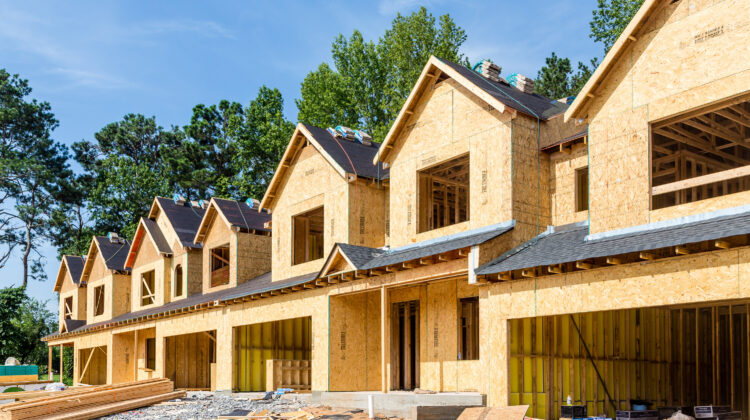
(4) NEW CONSTRUCTION: Newly constructed homes are now 2% less expensive than existing homes (one estimate claims this gap hasn’t been seen in 52 years). Per Realtor.com’s Joel Berner, Senior Economist, buyers can negotiate rate buydowns that could knock their rate down by a full percentage point. Buyers hold the negotiating power in the new home market.
(5) HISPANIC HOMEOWNERSHIP IS SETTING RECORDS: Hispanics saw a net gain of 441,000 owner-households, reaching a record high of 10.2 million Hispanic owner-households in 2025. The surge in Hispanic owner-households accounted for all U.S. homeownership growth last year, offsetting declines in other demographic segments.
(6) SILVER TSUNAMI EFFECT: Realtor.com® estimates that 13.9 million homes currently owned by baby boomers and the Silent Generation are expected to be released back into the market in the next 10 years. While this represents a small uptick in possible inventory, it’s worth noting.
(7) There is even speculation that median home sale prices have begun to tick down, falling 1.7% compared to a year ago. Whether these price drops will continue is not clear.
RECOMMENDATIONS FOR SELLERS
By most estimates, the current real estate market is considered “balanced,” neither favoring buyers or sellers. However, inventory is growing, delistings are common, and buyers continue to wait it out. For those sellers that must sell, the following tips will help:
(1) Be realistic: Price realistically from the start and lean into any flexibility you can offer.
(2) Prep homes meticulously: For a quick, successful sale sellers must present the home as turn-key. This means deep cleaning, decluttering, staging, maximizing curb appeal and addressing any maintenance issues. This usually requires 2-4 weeks advance preparation.
(3) Price slightly below nearby comps: Pricing a home slightly below nearby comparable sales (“comps”) is a deliberate strategy to position the property as an immediate value, spark urgency, and generate multiple competing offers.
(4) Consider offering buyer incentives: If the deal is on the line and your sellers are motivated to sell asap, suggest a rate buydown or covering some closing costs. This can go a long way when buyers are stretched thin.

(5) Add a home warranty: Sellers can (and should) consider adding a home warranty, which protects them against system failures during the listing and conveys to the buyer at closing. A home warranty adds extra incentive to the listing and reassurance before, during and after the sale. For several hundred dollars it’s a solid investment in peace of mind for all involved.