

Chances are good you have multiple gas-burning appliances in your home. Stoves, furnaces, dryers and generators can all emit carbon monoxide. This is why carbon monoxide detectors in numerous areas of your home are critical. Make sure you have these devices correctly installed throughout your home. These are the hidden warning signs for carbon monoxide leaks:
Approximately 400 Americans die each year from unintentional carbon monoxide poisoning not related to fires. Carbon monoxide poisoning typically causes symtoms of headache, dizziness, nausea, or shortness of breath. Carbon monoxide leaks are more prominent in winter, around the time of cold and flu season. This is also when most of us are turning the heat back on for the first time in a while. And at the same time we are less likely to have windows and doors open, so there is less ventilation and clean air.
Following are three warning signs that you may have a carbon monoxide problem in your home:
1) YOUR ALARM
The most obvious sign is that your carbon monoxide detector alarm is going off. Don’t ignore any of those annoying beeps or noises coming from your detector. Make sure you replace the batteries to rule that out as the cause. If the noises continue after new batteries are installed, vacate your home and contact an expert. A qualified HVAC professional should be able to diagnose a carbon monoxide leak.
TWO: Your Pet(s)
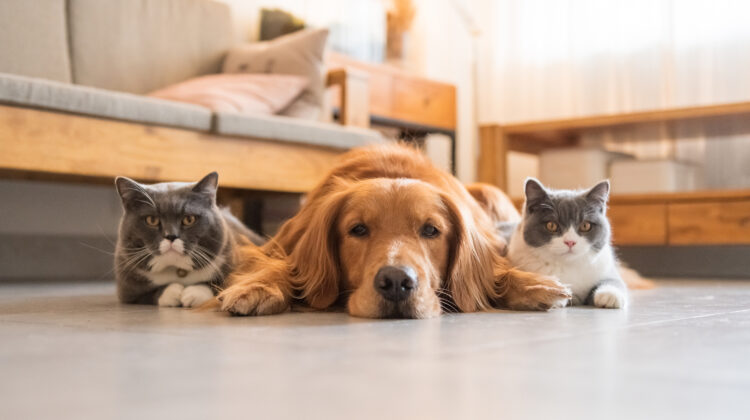
Pets will often exhibit the first signs of carbon monoxide poisoning and its effects. Think of the proverbial canary in the coal mine. If your pet suddenly seems strangely lethargic or begins to display other unusual behaviors, it may be time to call in an expert to check your carbon monoxide levels. (And then check in with a vet–better safe than sorry.)
THREE: Viral Symptoms
Carbon monoxide poisoning often resembles the symptoms experienced when you have a cold. Because both colds and carbon monoxide poisoning are more common in winter this can be confusing. Pay attention to how you feel when you leave home….if you feel better within a short time, poisoning could well be the cause. Also pay attention to how other family members are feeling and if their symptoms also magically improve upon leaving home.
Other experts to call besides your HVAC company are your utility company, fire department, or 911. To learn more click here.